Why the honesty box fails
Honesty boxes rely on people carrying cash, remembering to pay and trusting that someone will count it. Fewer players carry cash every season, and the ones who do rarely have the right change. The result is a tin that under-collects, a treasurer who spends Sunday evening counting coins, and no record of who paid what.
Bank transfers are not much better. Someone has to chase them, match them to names and reconcile them against a team sheet or a court booking. On a busy weekend that is hours of volunteer time.
How it works on the kiosk
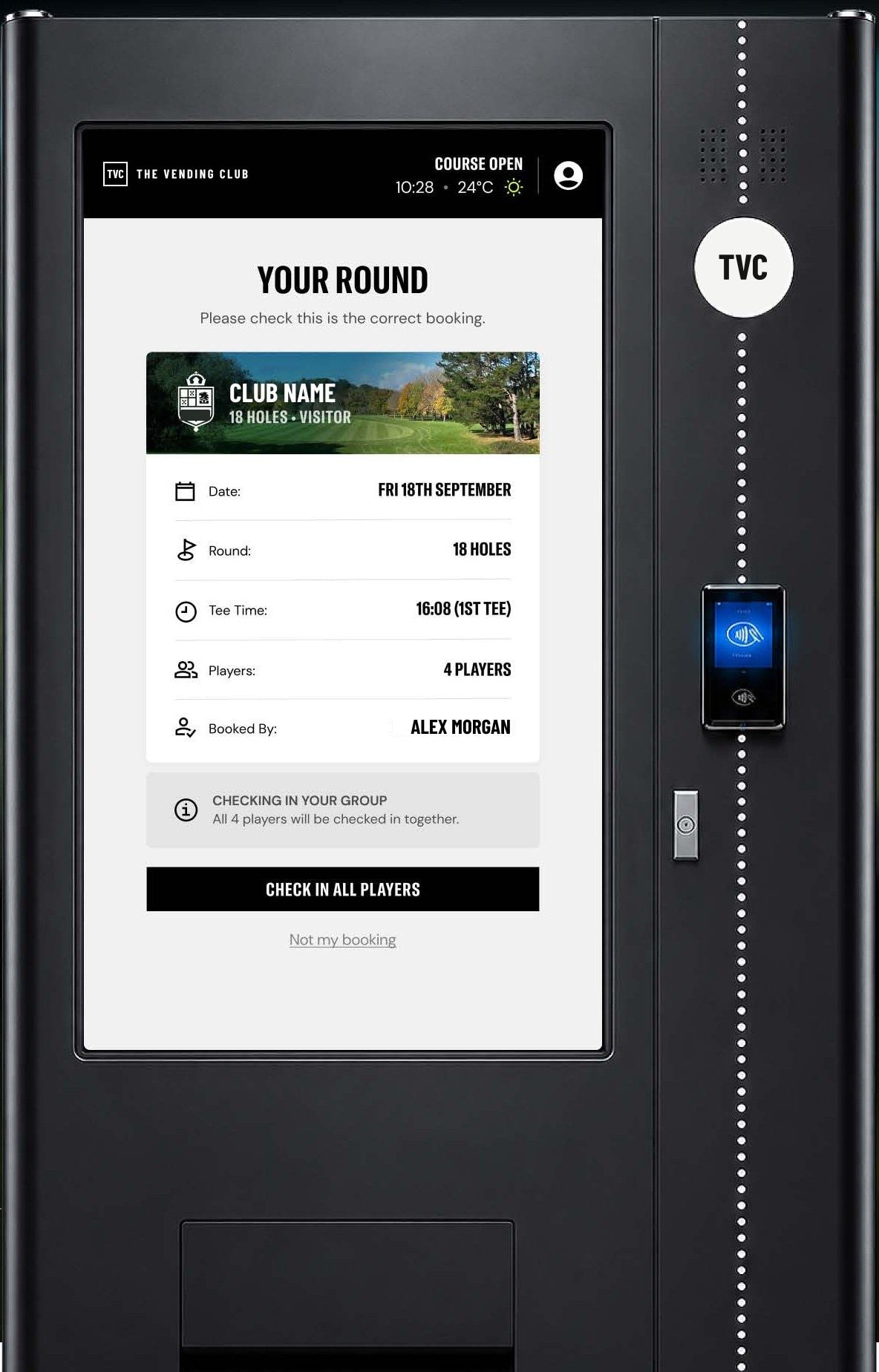
- 01A member signs in with their mobile number or the app QR code, or a visitor checks out as a guest.
- 02They pick what they are paying for: a guest fee, today's match fee and tea, a junior session or a net hire.
- 03They tap a contactless card, Apple Pay or Google Pay. No cash, no change, no tin.
- 04The payment lands against the right person, team or booking, and the club sees it in the monthly statement.
Built for the way each sport pays
Cricket clubs charge match fees and tea money per player, per fixture. Tennis and squash clubs charge guest fees per visit, usually signed in by a member. Rugby and football clubs charge session fees by age group on Sunday mornings. Padel and pickleball venues take drop-in fees for open sessions.
The kiosk handles each of these as a journey on the same screen that sells drinks and kit, so the player pays for everything in one tap.
What the treasurer gets
Every fee is recorded with a name, a time and what it was for. Statements split club income from product sales, so the committee can allocate it however it likes. There is nothing to count, bank or chase.
Many clubs are Community Amateur Sports Clubs. How fee and trading income is treated can differ, so talk to your accountant about the right set-up for your club.